
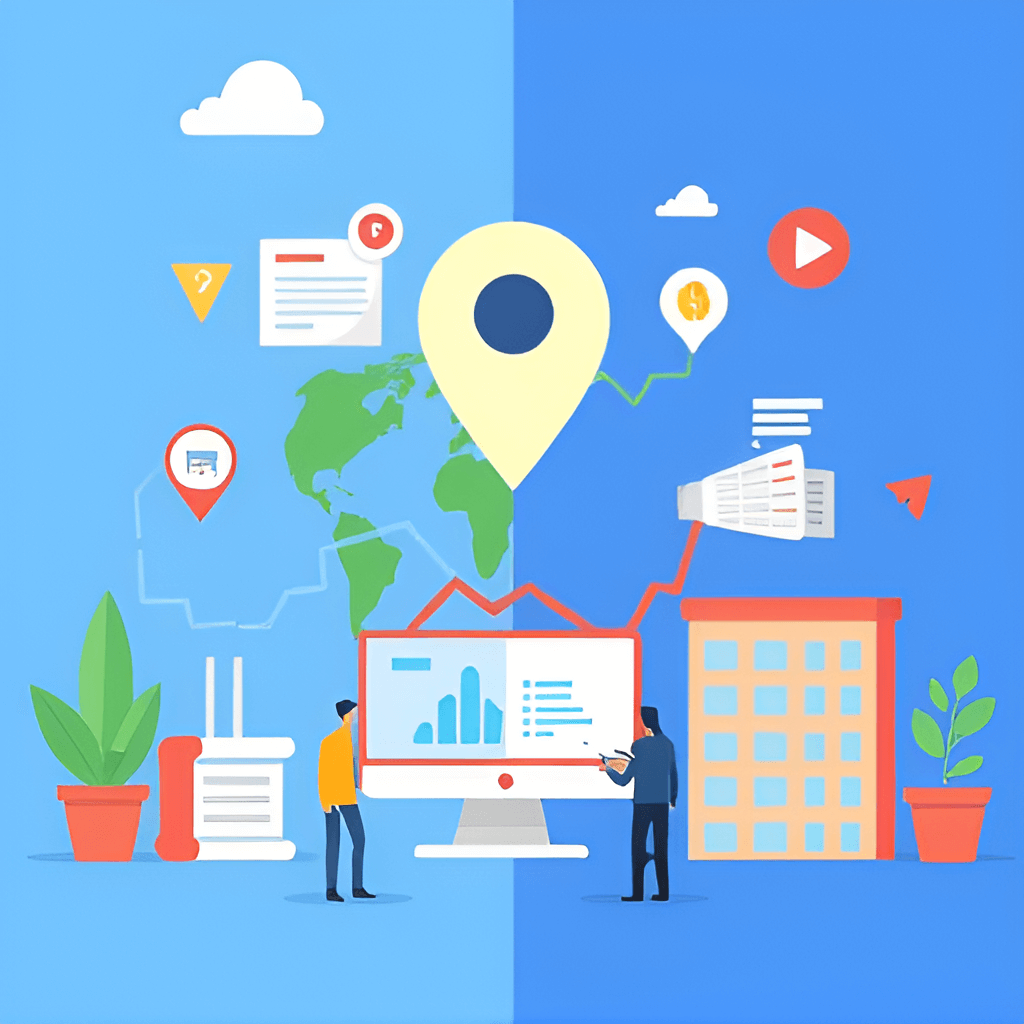
Search Engine Optimization (SEO) is crucial for boosting online visibility and attracting relevant traffic to websites. SEO can be broken down into various strategies, but two of the most essential are Local SEO and Organic SEO. These two approaches serve different purposes and audiences. So, what exactly is Local SEO vs Organic SEO, and how do businesses decide which one to focus on? Is local SEO better than organic SEO? When to use local SEO vs organic SEO?
Understanding Local SEO
Local SEO is designed to help businesses target users within a specific geographical area. It’s an essential strategy for companies with a physical location or those offering services within a particular region. Local SEO aims to ensure that your business appears in local search results when people search for products or services near them.
SEO Localization: Bridging Global Goals with Local Precision.
Key features of Local SEO include:
- Google My Business (GMB) optimization: Maintaining an updated GMB profile can significantly boost your local search rankings.
- Local citations: Ensure your business’s name, address, and phone number (NAP) are consistent across local directories.
- Localized keywords: Targeting keywords that reflect your location, such as “plumbers in Santa Monica” or “pizza near me.”
- Reviews and reputation management: Encouraging positive reviews helps build trust and improves your visibility in local searches.
For example, someone searching for “best coffee shop in [city]” is performing a local search that Local SEO will help you capture.
Read more: What Are the Best SEO Practices?
Understanding Organic SEO
Organic SEO, on the other hand, is focused on improving your website’s visibility in non-local, broad search results. This strategy targets a wider audience, both nationally and globally, by optimizing your site for relevant keywords and improving your domain authority.
Key features of Organic SEO include:
- On-page SEO: Optimizing the content, meta tags, and keywords on your site.
- Off-page SEO: Building backlinks from reputable websites to increase your authority and search rankings.
- Technical SEO: Ensuring your site is fast, mobile-friendly, and easy to navigate for both users and search engines.
Organic SEO is typically used for general queries, like “how to fix a leaking faucet” or “best fitness tips.” These searches are not location-specific, meaning they target a broad and often global audience.
Read more: Voice Search Optimization: The Key to Smarter Searches.
Key Differences Between Local and Organic SEO
Although both Local and Organic SEO aim to improve your search visibility, they differ in several key areas:
- Geographical Focus:
- Local SEO is geographically focused and works to optimize your presence in a specific area.
- Organic SEO does not depend on location and is intended to capture traffic on a national or global scale.
- Target Audience:
- Local SEO is ideal for businesses aiming to attract local customers. For example, “Local SEO for small businesses” helps target nearby customers.
- Organic SEO is better for businesses targeting a broader, more diverse audience with no geographical limitations.
- Search Results:
- Local SEO aims to appear in local search packs (the map listings at the top of the results page) and local directories like Yelp.
- Organic SEO focuses on traditional search engine rankings, improving your site’s position in standard Google search results.
- Ranking Factors:
- Local SEO prioritizes proximity, local relevance, and reviews.
- Organic SEO focuses on content quality, backlinks, and site optimization, making it vital for businesses aiming for national rankings.
Read more: From Keywords to Links: Simplify SEO’s Essentials!
When to Use Local SEO vs. Organic SEO
Knowing when to use Local SEO or Organic SEO depends on your business model and goals:
- Local SEO for Small Businesses:
If you run a brick-and-mortar store, provide local services, or operate a small business that serves a specific community, Local SEO is your best bet. For instance, a plumber in a particular city would greatly benefit from geotargeting in local SEO by optimizing for search terms like “plumbers near me.” - Organic SEO for National Rankings:
If you run an e-commerce store, blog, or offer services that don’t require a physical location, Organic SEO should be your focus. This is crucial for businesses aiming to capture a broad, national audience. Organic SEO helps position you higher in search results, bringing in traffic from across the country. - Combining Both:
Some businesses may benefit from a mix of both strategies. For example, a local bakery might use Local SEO to attract customers nearby while utilizing Organic SEO for an online blog that shares recipes, drawing traffic from across the country.
Read more: How Long Does It Take to See Results from SEO?
Choosing the Right SEO Strategy for Your Business
Both Local SEO and Organic SEO play vital roles in driving visibility and success for businesses. Local SEO focuses on optimizing for local searchers, while Organic SEO targets a wider, non-location-specific audience. Understanding your business goals and customer base will help you decide the right SEO strategy. For many, the answer lies in a balanced combination of both. Ready to enhance your online presence? Evaluate your goals and start improving your SEO strategy today!

One Response
Great article! This really clears up the difference between local and organic SEO. I used to think they were the same, but now I understand that local SEO is all about targeting specific geographic areas, while organic SEO focuses on ranking for broader search terms. I can see how businesses like restaurants or real estate agents would benefit more from local SEO, while e-commerce stores might prioritize organic rankings.
One question—do you think businesses should invest in both strategies, or does it depend on the industry? Looking forward to your thoughts! 😊